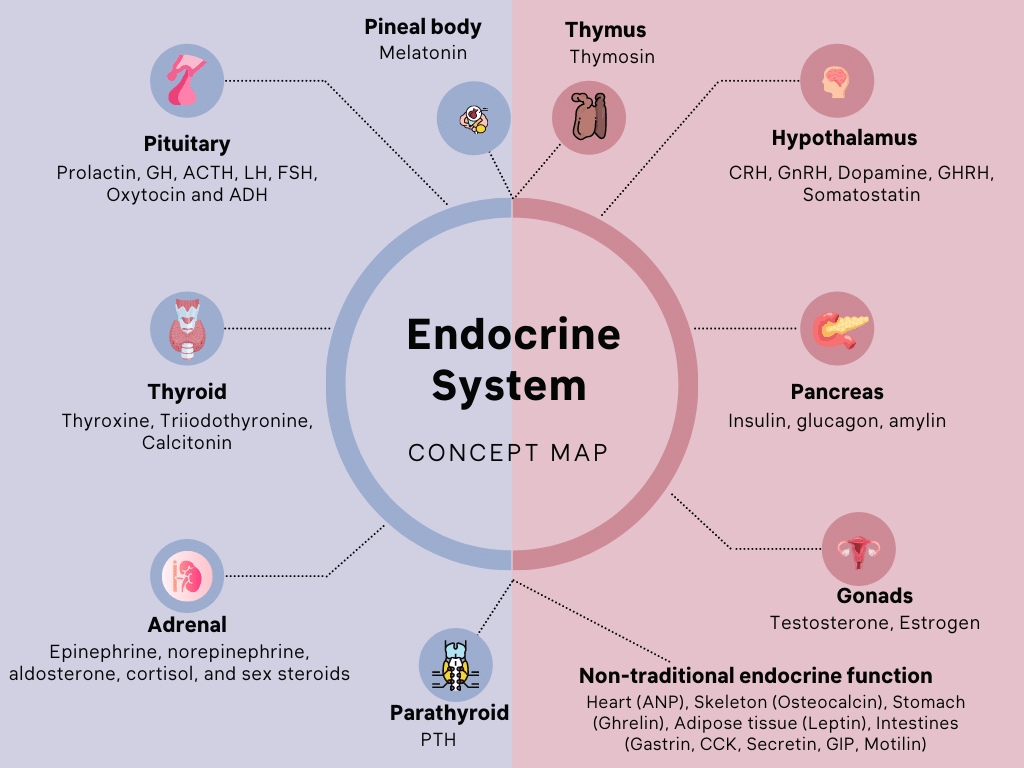
Imagine trying to master the body's hormone network with the same excitement as a Jackie Chan police saga. The newly released endocrine system concept map (see image below) packs visual clarity and narrative punch, turning a dense textbook chapter into a fast‑paced, action‑filled briefing that even a busy professional can digest in minutes.
What if your study routine felt like a Jackie Chan police chase?
Most learners picture the endocrine system as a static chart of glands and hormones—hardly the thrilling backdrop of a high‑octane chase. The concept map reshapes that perception by arranging glands, hormones, and feedback loops as a sequence of “missions.” Each gland becomes a “team member,” each hormone a “secret weapon,” and each feedback loop a “plot twist.” This scenario‑based layout mirrors the pacing of a Jackie Chan police story collection, giving readers a mental storyboard that sticks.
How does the map translate complex feedback into simple plot points?
Traditional explanations often bury the negative‑feedback loop in dense paragraphs. The map, however, uses color‑coded arrows that act like storyboard arrows pointing to the next scene. For example, the hypothalamus‑pituitary‑adrenal (HPA) axis appears as three panels: a “call to action” (stress signal), a “heroic response” (ACTH release), and a “resolution” (cortisol feedback). This visual narrative answers the question of “who does what, when?” without requiring readers to flip back and forth between pages.
Why would a value‑focused buyer choose this map over a textbook?
Buyers looking for ROI on education material crave efficiency and retention. The concept map delivers both: it condenses a full chapter into a single, printable sheet, cutting study time by up to 40% for those who engage with the visual storytelling approach. Moreover, the map’s durable, glossy finish makes it suitable for repeated classroom use, meaning the upfront cost spreads across multiple cohorts.
Where can the map be integrated for maximum impact?
Educators can place the map at the front of a lesson, using it as a “mission brief” before diving into case studies. Students preparing for a health‑related certification can laminate the sheet and keep it in a pocket notebook, turning idle moments into quick reviews—just like revisiting a favorite Jackie Chan episode on a commute. Tutors can also project the map during virtual sessions, allowing real‑time annotation that mimics a director’s cut commentary.
What long‑term benefits arise from treating hormonal pathways like a police drama?
When information is linked to a familiar narrative structure, brain pathways for recall strengthen. Learners report higher confidence in explaining endocrine interactions during oral exams, a direct parallel to being able to recount a complex Jackie Chan plot without notes. Over time, this narrative anchoring simplifies interdisciplinary connections, such as linking cortisol’s role in stress to its impact on blood glucose—essential for both medical and fitness professionals.
In short, the endocrine system concept map transforms a textbook’s monotony into a story-driven experience reminiscent of a Jackie Chan police story collection. By framing hormonal regulation as a series of cinematic missions, it offers a practical, value‑rich tool for anyone aiming to master the body’s hidden command center.